
Do You Know Whether your Destination Country Requires Attestation or Apostille?
If you are planning to study abroad, work overseas, migrate with your family, establish a business in another country, or apply for international residency, one of the most important questions you should ask yourself is: Do you know whether your destination country requires Attestation or Apostille?
Many people spend months preparing for university admissions, job interviews, visa applications, immigration programs, and overseas business opportunities, yet overlook a critical documentation requirement. Submitting documents without the correct authentication can result in application delays, visa rejections, postponed admissions, employment complications, and unnecessary expenses.
Document authentication is a legal process used to verify that certificates issued in one country are genuine and acceptable in another country. Governments, universities, employers, immigration departments, licensing authorities, and courts often require authenticated documents before they recognize foreign-issued certificates.
Whether you need Attestation or Apostille depends entirely on your destination country. Understanding the difference can save valuable time and ensure a smooth transition toward your international goals.
When individuals prepare documents for international use, they often assume that all countries follow the same authentication procedure. However, each country has its own documentation regulations and legal recognition systems. Some countries require Embassy Attestation, while others accept Apostille certification under the Hague Convention.
Attestation is generally required for countries that are not members of the Hague Apostille Convention. Apostille is required for countries that are members of the Hague Convention and have agreed to recognize apostilled documents from participating nations.
Understanding these two authentication systems is essential because the process, authorities involved, and final document requirements differ significantly.
Attestation is a multi-step legalization process that verifies a document through several government authorities before final authentication by the destination country's embassy or consulate. The purpose of attestation is to establish the authenticity of a document so that it can be legally accepted in a foreign country.
Countries in the Gulf region commonly require attestation. Popular destinations such as the UAE, Saudi Arabia, Qatar, Kuwait, Bahrain, and Oman generally require embassy attestation for educational, personal, and commercial documents.
For example, if an Indian engineer receives a job offer from a company in Dubai, the employer may request a Degree Certificate Attestation before processing a work permit. Similarly, a nurse moving to Saudi Arabia may require attested educational qualifications before obtaining professional registration.
The attestation process often includes verification from the issuing authority, authentication by state-level authorities, attestation by the Ministry of External Affairs (MEA), and final legalization by the embassy of the destination country.
Apostille, on the other hand, is a simplified authentication process used among countries that are members of the Hague Apostille Convention. Instead of embassy legalization, an Apostille certificate issued by the competent authority serves as proof of document authenticity.
Countries such as Germany, France, Italy, Spain, the Netherlands, Portugal, Australia, New Zealand, Singapore, Switzerland, Belgium, Austria, and many others accept apostilled documents.
An Apostille certificate verifies the authenticity of the signature, seal, and issuing authority on the document. Once apostilled, the document is legally recognized across Hague Convention member countries without requiring additional embassy authentication.
For example, a student planning to pursue higher education in Germany may require an Apostille on educational documents. Similarly, a professional moving to Australia for employment may need apostilled certificates rather than embassy attestation.
One of the most common mistakes applicants make is assuming that Attestation and Apostille are interchangeable. While both authenticate documents, they are intended for different destination countries and legal systems.
Submitting an apostilled certificate to a country that requires embassy attestation may result in document rejection. Likewise, completing embassy attestation for a country that only requires Apostille can lead to unnecessary expenses and delays.
Understanding destination-specific requirements is therefore essential before beginning the authentication process.
Educational documents are among the most frequently authenticated certificates. Students pursuing international education and professionals seeking overseas employment often require authenticated educational records.
Common educational documents include:
- Degree Certificates
- Diploma Certificates
- Engineering Certificates
- Nursing Certificates
- MBBS Certificates
- MBA Certificates
- Pharmacy Certificates
- Polytechnic Certificates
- Academic Transcripts
- Mark Sheets
- School Leaving Certificates
- Provisional Certificates
Universities and employers abroad often require educational document authentication to verify academic qualifications and prevent fraudulent claims.
Personal documents also frequently require attestation or apostille for immigration, residency, family sponsorship, and legal procedures.
Common personal documents include:
- Birth Certificates
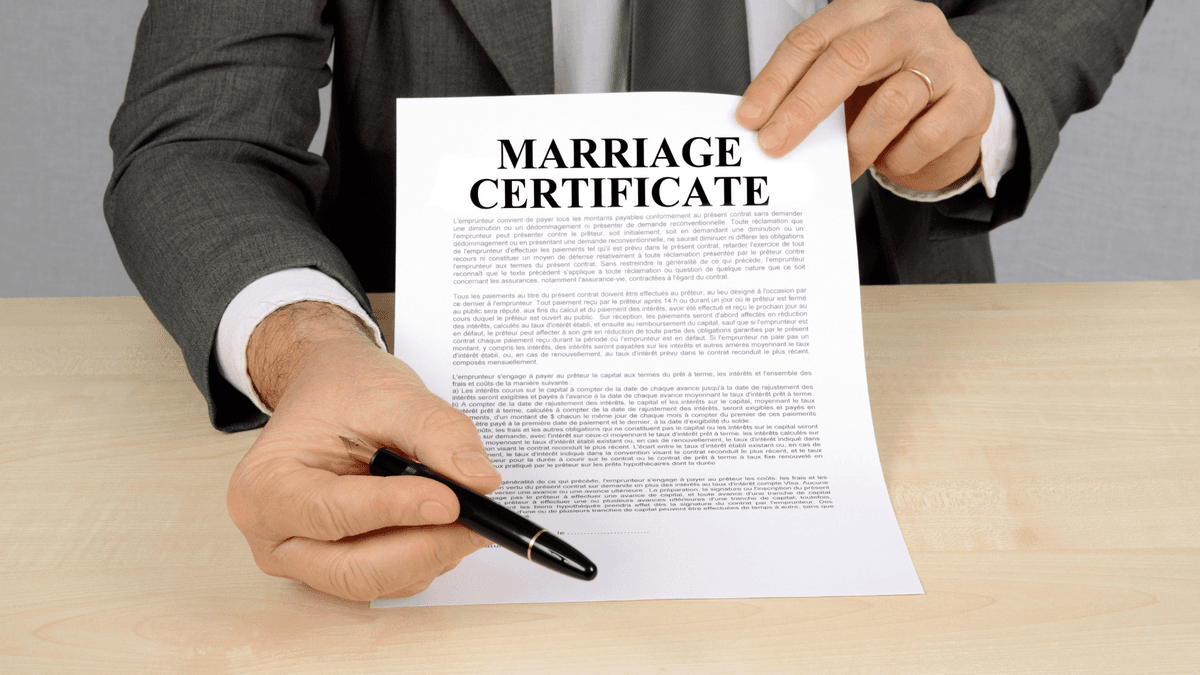
- Marriage Certificates
- Police Clearance Certificates (PCC)
- Medical Certificates
- Divorce Certificates
- Death Certificates
- Adoption Certificates
- Affidavits
- Family Certificates
- Single Status Certificates
For example, an individual applying for a spouse visa may need an attested marriage certificate. Parents relocating abroad may require attested birth certificates for dependent visa applications.
Commercial documents are another important category requiring authentication for international business activities.
Examples include:
- Certificate of Incorporation
- Memorandum of Association
- Articles of Association
- Board Resolutions
- Commercial Invoices
- Certificate of Origin
- Trade Licenses
- Business Agreements
- Agency Agreements
- Financial Statements
- Power of Attorney Documents
Businesses expanding internationally often require authenticated commercial records before entering contracts, opening branches, participating in tenders, or conducting trade activities.
Many people wonder how to determine whether their destination country requires Attestation or Apostille.
The simplest approach is to verify the legal requirements of the destination country before initiating the process. Countries that are members of the Hague Convention generally require Apostille. Countries outside the Hague Convention typically require embassy attestation.
Some of the most popular countries requiring Attestation include:
- United Arab Emirates (UAE)
- Saudi Arabia
- Qatar
- Kuwait
- Bahrain
- Oman
- Jordan
- Lebanon
- Yemen
- Iraq
Some popular countries accepting Apostille include:
- Germany
- France
- Italy
- Spain
- Netherlands
- Portugal
- Australia
- New Zealand
- Singapore
- Switzerland
- Belgium
- Austria
Because regulations may change periodically, verifying current requirements before document submission is always recommended.
Students represent one of the largest groups requiring document authentication. Universities abroad often request authenticated academic documents during admission procedures.
A student applying for a master's program in Europe may need an apostilled bachelor's degree certificate. Another student pursuing higher education in the UAE may require an attested degree certificate.
Without proper authentication, admissions departments may refuse to process applications or issue enrollment confirmations.
Professionals seeking overseas employment also frequently require authenticated educational credentials. Employers use attestation and apostille procedures to verify qualifications before issuing employment contracts and work permits.
Industries commonly requiring authenticated educational documents include:
- Information Technology
- Healthcare
- Engineering
- Construction
- Education
- Banking
- Hospitality
- Aviation
- Manufacturing
- Consulting
Professional licensing authorities often require authenticated qualifications before granting practice licenses.
Doctors, nurses, pharmacists, engineers, architects, teachers, and accountants frequently need attested or apostilled documents to obtain professional recognition abroad.
Immigration programs also rely heavily on authenticated educational and personal documents.
Countries offering skilled migration pathways often evaluate educational achievements, professional qualifications, and personal records as part of eligibility assessments.
Authenticated documents strengthen immigration applications and help authorities verify applicant credentials accurately.
Family sponsorship and dependent visa applications also frequently involve authenticated documents.
Birth certificates establish parent-child relationships, while marriage certificates verify spousal relationships. Immigration authorities use these records to process family reunification applications and residency permits.
Business owners expanding internationally often require authenticated commercial records.
Whether establishing a company branch, entering a partnership, signing international agreements, or participating in foreign tenders, authenticated commercial documents help ensure legal recognition and compliance.
Power of Attorney authentication is another common requirement for international business and legal matters.
A properly authenticated Power of Attorney allows an authorized representative to act on behalf of an individual or organization in another country. This can be particularly useful for property transactions, legal proceedings, and business operations.
Timing is another important factor when considering Attestation or Apostille.
Many applicants underestimate the time required for document authentication. Verification procedures, government processing, embassy legalization, and administrative requirements can take time depending on the document type and destination country.
Starting the process early helps avoid last-minute stress and prevents delays that could affect admissions, employment start dates, visa approvals, or immigration deadlines.
Document condition also plays a crucial role in successful authentication.
Certificates should be original, legible, and free from unauthorized alterations. Damaged, laminated, or incomplete documents may face rejection during verification.
Ensuring documents are properly maintained before submission helps facilitate smooth processing.
Because authentication procedures can involve multiple authorities, many applicants choose professional attestation and apostille services.
Experienced document authentication specialists understand procedural requirements, government regulations, and destination-country standards. Their expertise helps reduce errors, improve efficiency, and ensure compliance.
Professional support is especially beneficial when handling multiple documents, urgent applications, or complex international requirements.
Secure document handling is another significant advantage of professional assistance. Original certificates often represent valuable educational achievements, legal rights, and personal records. Proper tracking and secure processing help protect these important documents throughout the authentication journey.
As international mobility continues to increase, document authentication has become more important than ever. Students are pursuing global education opportunities, professionals are exploring international careers, families are relocating abroad, and businesses are expanding into foreign markets.
In every case, document authentication serves as a bridge between countries, enabling authorities to recognize and trust foreign-issued certificates.
Before beginning any international journey, it is essential to answer one critical question:
Does your destination country require Attestation or Apostille?
The correct authentication process ensures that your educational qualifications, personal records, and commercial documents are legally recognized abroad. It helps prevent delays, supports compliance with international regulations, and strengthens applications for study, work, migration, and business opportunities.
Whether you are applying to a university in Europe, accepting a job offer in the Gulf, immigrating with your family, or expanding your business internationally, understanding document authentication requirements is a vital step toward success.
Taking the time to verify your destination country's requirements today can save significant time, money, and effort tomorrow. Properly authenticated documents open doors to global opportunities and ensure that your international plans proceed smoothly and confidently.
Before submitting your next application, ask yourself again:
Do you know whether your destination country requires Attestation or Apostille?
If the answer is uncertain, obtaining expert guidance can help ensure that your documents are prepared correctly and accepted without complications, allowing you to focus on achieving your international goals with confidence.


- All
- Apostille
- Attestation
- Australia Apostille
- Austria Apostille
- Bahrain Attestation
- China Attestation
- Egypt Attestation
- Embassy
- France Apostille
- Germany Apostille
- HRD
- Italy Apostille
- Kuwait Attestation
- Lithuania Apostille
- MEA
- Malaysia Attestation
- Mexico Apostille
- Netherlands Apostille
- Nigeria Attestation
- Oman Apostille
- PCC
- Philippines Attestation
- Qatar Attestation
- Saudi Arabia Attestation
- Taiwan Attestation
- Translation
- UAE Attestation
- UK Apostille
- USA Apostille
- Vietnam Attestation
- Visa
- Visa Stamping