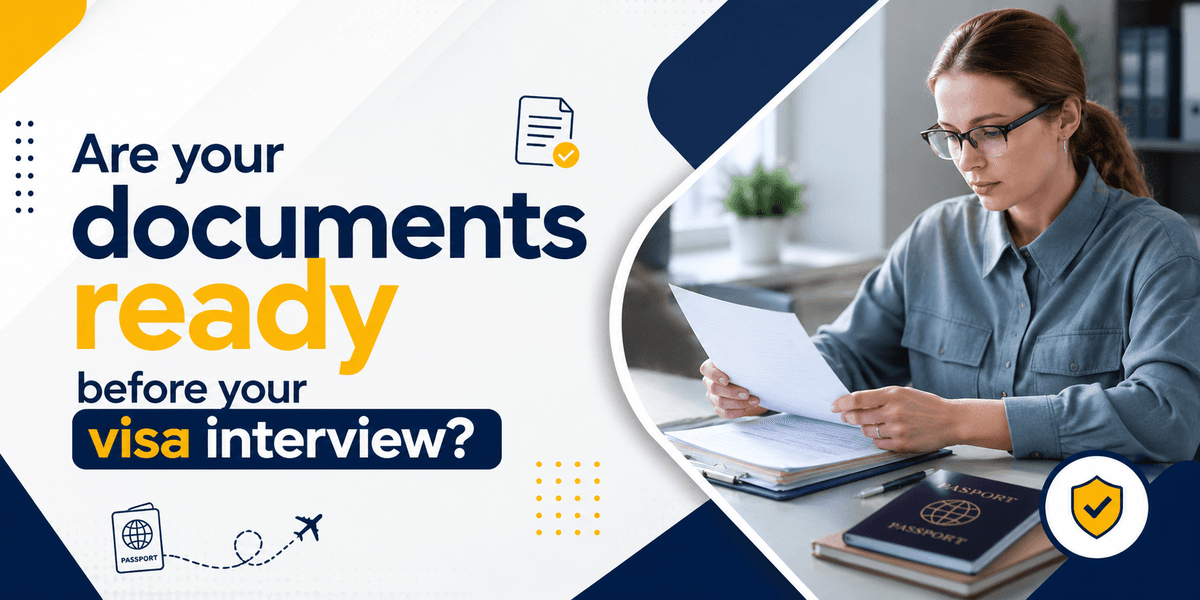
Are your documents ready before your visa interview?
A visa interview is one of the most important stages in the international travel, study abroad, work abroad, immigration, and family sponsorship process. Whether you are planning to pursue higher education in another country, accept an overseas job offer, immigrate permanently, join family members abroad, or explore international business opportunities, your visa interview plays a critical role in determining the success of your application. While applicants often spend weeks preparing answers to interview questions, many underestimate the importance of proper documentation. This raises an important question: Are your documents ready before your visa interview?
Having complete, accurate, and properly authenticated documents can significantly improve your confidence during the interview and reduce the chances of delays, additional verification requests, or application rejection. Visa officers evaluate not only your eligibility and intentions but also the authenticity and completeness of the documents you submit. Missing, outdated, incorrect, or unauthenticated documents can create complications even when all other aspects of your application are strong.
A visa interview serves as an opportunity for immigration authorities to verify the information provided in your application. The visa officer reviews your documents, asks questions related to your travel purpose, and evaluates whether your application meets the requirements of the destination country. Properly organized documentation demonstrates preparedness, transparency, and compliance with immigration regulations.
The first document that every applicant must verify before a visa interview is the passport. Your passport serves as the primary identification document for international travel. It should be valid according to the destination country's requirements. Many countries require passports to remain valid for at least six months beyond the intended period of stay. Applicants should carefully check passport validity and ensure that all information is accurate and legible.
In addition to a valid passport, applicants typically need visa application forms, appointment confirmations, and supporting documents specific to the visa category. Depending on whether you are applying for a student visa, work visa, tourist visa, family visa, business visa, or immigration program, the documentation requirements may vary significantly.
Students planning to study abroad often require extensive documentation before attending a visa interview. Universities and immigration authorities generally request educational records to verify academic qualifications. Common educational documents include degree certificates, diploma certificates, mark sheets, transcripts, provisional certificates, and school completion certificates.
One of the most overlooked aspects of educational documentation is authentication. Many countries require educational certificates to be attested or apostilled before they can be accepted for visa purposes. A degree certificate that is not properly authenticated may not be recognized by immigration authorities, universities, or employers abroad.
For example, students applying for higher education in Europe may require apostilled educational documents if the destination country accepts Apostille certification. Students planning to study in certain Gulf countries may require embassy-attested certificates. Understanding destination-specific requirements helps ensure that educational records are accepted during the visa process.
Admission-related documents are equally important. Students should carry admission letters, offer letters, enrollment confirmations, tuition fee receipts, scholarship documentation, and correspondence from educational institutions. These records help demonstrate the legitimacy of the educational purpose and support visa eligibility.
Professionals applying for work visas face different documentation requirements. Employers and immigration authorities often request authenticated educational qualifications, experience certificates, employment contracts, offer letters, salary details, and professional licenses. These documents help establish eligibility for employment and demonstrate compliance with labor regulations.
Work visa applicants should ensure that employment contracts and offer letters contain accurate details regarding job title, compensation, employer information, and work location. Any inconsistencies between application forms and supporting documents may lead to additional scrutiny during the interview.
Experience certificates are particularly important for professionals applying for skilled positions abroad. Employers frequently require evidence of previous employment history and professional expertise. In some cases, experience certificates may need attestation before being accepted by foreign authorities.
Healthcare professionals such as doctors, nurses, pharmacists, and allied healthcare workers often require additional documentation. Professional registration certificates, licensing approvals, educational qualifications, and employment records may need to be authenticated before visa issuance. Regulatory authorities in many countries carefully evaluate healthcare credentials before approving work permits.
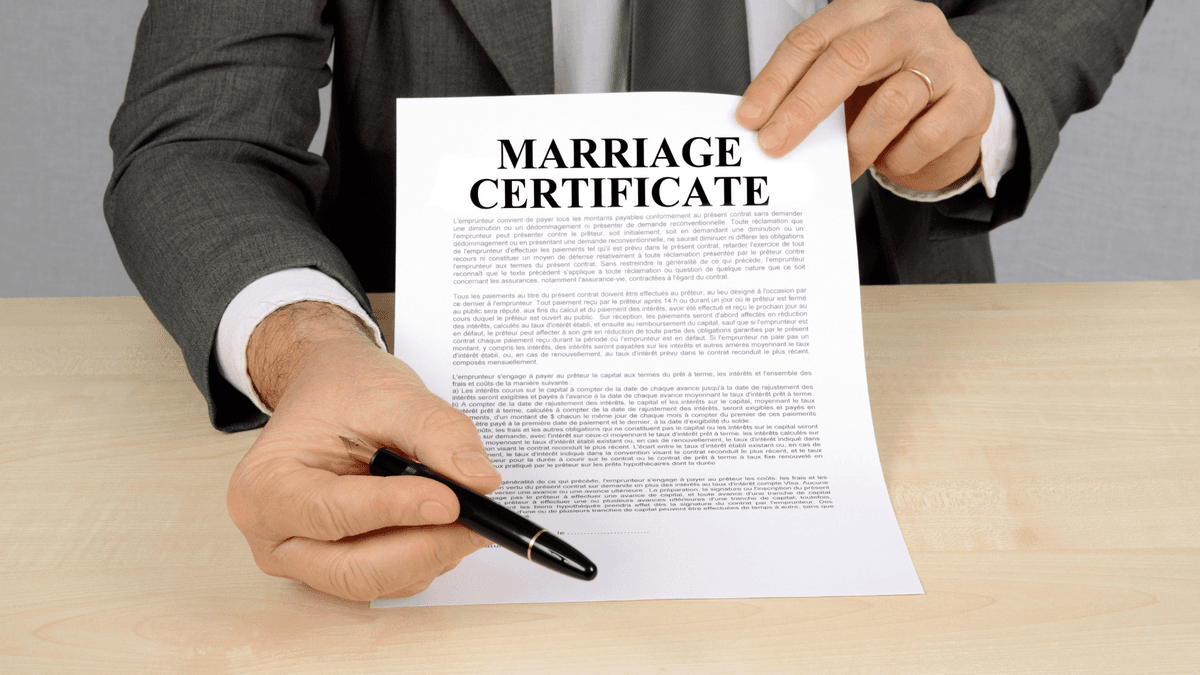
Family visa applicants should pay special attention to personal documents. Marriage certificates, birth certificates, adoption certificates, family records, and other civil documents are often required to establish relationships between applicants and sponsors. Many immigration authorities require these documents to be attested or apostilled before acceptance.
For example, an individual applying for a spouse visa may need an authenticated marriage certificate. Parents sponsoring dependent children may need attested birth certificates. Proper authentication helps establish legal family relationships and supports immigration applications.
One document that is frequently requested by immigration authorities is the Police Clearance Certificate (PCC). Many countries require PCC documentation to assess an applicant's criminal background and character status. The certificate serves as evidence that the applicant has no significant criminal record or legal issues that could affect visa eligibility.
Applicants should ensure that their PCC remains valid at the time of the visa interview. Many countries impose validity periods on police clearance certificates, and expired documents may not be accepted. Depending on the destination country, the PCC may also require attestation or apostille.
Medical documents are another important category of visa-related records. Certain countries require medical examinations, vaccination records, health certificates, or fitness reports before issuing visas. Applicants should verify health requirements well in advance and ensure that all medical reports are obtained from approved facilities.
Financial documentation plays a crucial role in many visa categories. Immigration authorities often require evidence that applicants possess sufficient financial resources to support themselves during their stay abroad. Bank statements, income tax returns, salary slips, fixed deposit records, investment statements, sponsorship letters, and proof of funds are commonly requested.
Students may need to demonstrate the ability to cover tuition fees, accommodation expenses, and living costs. Work visa applicants may need to show financial stability before receiving their first salary abroad. Family visa applicants may need to provide sponsorship documentation confirming financial support.
Consistency between financial documents and visa application details is essential. Large unexplained deposits, discrepancies in income records, or incomplete financial statements may lead to additional questions during the interview process.
Business visa applicants face unique documentation requirements. Companies engaging in international trade, investment activities, conferences, exhibitions, or business partnerships often need to provide commercial documentation. Invitation letters, company registration certificates, trade licenses, business agreements, financial statements, and travel itineraries may be required.
Commercial documents submitted for visa purposes should be authentic, up-to-date, and properly verified. In some cases, business-related documents may require attestation before being accepted by foreign authorities.
Travel-related documents should also be reviewed carefully before the interview. Flight reservations, accommodation bookings, travel insurance policies, itinerary details, and return travel plans may be required depending on the visa category. These documents help demonstrate genuine travel intentions and compliance with immigration regulations.
Translation requirements are often overlooked by applicants. If documents are issued in a language that is not accepted by the destination country's authorities, certified translations may be required. Immigration officers generally expect translations to be completed by authorized translators and accompanied by relevant certifications.
Document organization is another factor that can influence the visa interview experience. Presenting documents in a structured and logical manner helps facilitate efficient review by visa officers. Applicants should organize records according to categories such as identification documents, educational documents, employment records, financial statements, personal certificates, and supporting evidence.
Preparing photocopies in addition to original documents is highly recommended. Some embassies may retain copies of submitted records while returning originals. Having duplicate copies readily available helps avoid last-minute complications.
One of the most common reasons for visa delays is document inconsistency. Names, dates of birth, passport numbers, educational records, and personal information should match across all submitted documents. Even minor discrepancies can trigger additional verification procedures.
Applicants who have undergone name changes due to marriage, legal procedures, or personal reasons should carry supporting documentation such as name change certificates, marriage certificates, or affidavits explaining the differences. Addressing inconsistencies proactively helps prevent unnecessary complications.
Another important consideration is document authenticity. Immigration authorities carefully evaluate the legitimacy of submitted records. Providing forged, altered, or misleading documents can result in visa refusal, future immigration restrictions, and legal consequences. Applicants should always ensure that all documents are genuine and obtained through authorized channels.
Attestation and apostille procedures play a significant role in document acceptance. Many applicants are unaware that certain countries require authenticated documents before visa issuance. Educational certificates, personal documents, and commercial records often require legalization to establish international recognition.
Attestation typically involves verification by multiple authorities, including state departments, the Ministry of External Affairs, and destination-country embassies. Apostille provides simplified authentication for Hague Convention member countries. Determining which process applies to your destination country is essential before attending the visa interview.
Timing is another critical factor in visa preparation. Many applicants begin collecting documents only a few days before the interview, creating unnecessary stress and increasing the risk of missing important records. Starting early allows sufficient time for verification, authentication, translations, and corrections if needed.
Visa officers often assess an applicant's preparedness during the interview process. Well-organized documentation reflects responsibility, planning, and attention to detail. It also enables applicants to respond confidently to questions and provide supporting evidence when requested.
Professional document verification and attestation services can be valuable resources for applicants managing complex documentation requirements. Experienced professionals understand embassy requirements, authentication procedures, and country-specific regulations. Their guidance helps applicants avoid errors and ensure compliance with documentation standards.
As international mobility continues to grow, documentation requirements have become increasingly sophisticated. Governments, educational institutions, employers, and immigration authorities rely heavily on authenticated records to verify applicant credentials and eligibility. Proper preparation is therefore essential for successful visa outcomes.
Before attending your visa interview, take the time to review every document carefully. Confirm that certificates are authentic, properly authenticated, translated if necessary, and organized systematically. Verify validity periods, ensure consistency across records, and address any discrepancies proactively.
The question is not simply whether you have documents. The real question is: Are your documents ready before your visa interview?
Being fully prepared with accurate, complete, and properly authenticated documentation can significantly improve your confidence and support a smooth visa application process. Whether you are pursuing higher education, overseas employment, immigration, family reunification, or business expansion, your documents serve as the foundation of your application.
By investing time in document preparation before your interview, you increase the likelihood of successful outcomes and reduce the risk of avoidable delays. A well-prepared applicant with complete documentation demonstrates credibility, compliance, and readiness for international opportunities.
As you move closer to your visa interview date, remember that preparation extends beyond answering interview questions. Ensuring that your documents are ready, accepted, and properly authenticated may be one of the most important steps toward achieving your global goals and beginning your international journey with confidence.
- All
- Apostille
- Attestation
- Australia Apostille
- Austria Apostille
- Bahrain Attestation
- China Attestation
- Egypt Attestation
- Embassy
- France Apostille
- Germany Apostille
- HRD
- Italy Apostille
- Kuwait Attestation
- Lithuania Apostille
- MEA
- Malaysia Attestation
- Mexico Apostille
- Netherlands Apostille
- Nigeria Attestation
- Oman Apostille
- PCC
- Philippines Attestation
- Qatar Attestation
- Saudi Arabia Attestation
- Taiwan Attestation
- Translation
- UAE Attestation
- UK Apostille
- USA Apostille
- Vietnam Attestation
- Visa
- Visa Stamping