
Can You Apply for an Indian PCC While Living Outside India?
Moving abroad for employment, higher education, permanent residency or family reunification often involves several administrative formalities. One of the most common requirements is a Police Clearance Certificate (PCC), which helps an immigration authority, employer or other competent organization assess an applicant's police clearance status.
For Indian citizens living overseas, obtaining a Police Clearance Certificate can raise an important question: Can you apply for an Indian PCC while living outside India?
The answer is yes. Eligible Indian passport holders living abroad can generally apply for an Indian Police Clearance Certificate through the Indian Embassy, High Commission or Consulate that has jurisdiction over their place of residence. Depending on the mission and the services available in that country, the application may be submitted through an outsourced service provider, an online appointment system or another official application channel.
The process is not necessarily identical to applying for a PCC from India. Applicants living abroad may need to complete additional steps involving consular jurisdiction, passport verification, local residence evidence, appointment booking, document submission and payment of applicable fees.
It is also important to understand that an Indian PCC is different from a police clearance certificate issued by the country where an applicant currently lives. An Indian PCC relates to the applicant's police clearance status in India; it does not automatically replace a local police certificate required by the country of residence.
This guide explains how to apply for an Indian PCC while living outside India, who is eligible, which documents are generally required, how the Embassy or Consulate application process works, what happens during police verification, and how to prepare the certificate for overseas use.
1. What Is an Indian Police Clearance Certificate?
A Police Clearance Certificate is an official document issued by a competent government authority to indicate the applicant's police clearance status for a specified purpose.
In India, the Passport Seva system provides PCC services to eligible Indian passport holders. Indian Missions and Posts abroad also provide passport-related consular services, including PCC applications for eligible Indian citizens residing within their respective jurisdictions.
An Indian PCC is commonly required for:
Permanent residency applications.
Long-term immigration applications.
Overseas employment.
Work permits and residence permits.
Certain long-term visas.
Professional registration and licensing.
Other official background verification requirements.
The certificate is based on the records and verification available to the issuing Indian authorities. It should not be interpreted as a worldwide criminal-record certificate or as a guarantee that an applicant will be approved for a visa, job or immigration programme.
The receiving authority decides whether the certificate meets its requirements.
2. Can You Apply for an Indian PCC While Living Outside India?
Yes. An eligible Indian citizen holding a valid Indian passport can generally apply for an Indian PCC while residing outside India through the Indian Mission or Post responsible for the applicant's overseas residential jurisdiction.
For example:
- An Indian professional living in Dubai may apply through the Indian Consulate or Embassy responsible for that location.
- An Indian student living in London may apply through the relevant Indian Mission in the United Kingdom.
- An Indian permanent resident living in Toronto may apply through the Indian Consulate or High Commission that covers their residential area.
- An Indian employee living in Singapore may apply through the Indian Mission responsible for Singapore.
The application channel, document checklist, appointment system, fee and processing procedure can differ from one Indian Mission to another.
Applicants should therefore identify the correct Embassy, High Commission or Consulate before preparing their documents.
Does living abroad affect eligibility?
Living outside India does not, by itself, prevent an Indian citizen from applying for an Indian PCC.
However, the applicant must meet the relevant eligibility and documentation requirements. The Mission may need to verify the applicant's identity, passport information, overseas residential address and other relevant records.
If police verification is required in India, the application may be referred to the appropriate police authority or Passport Office.
Can an NRI apply for an Indian PCC?
Yes. An Indian citizen classified as a Non-Resident Indian (NRI) can generally apply for an Indian PCC through the Indian Mission or Post with jurisdiction over their overseas residence.
NRI status does not create a separate PCC certificate. The applicant applies as an Indian passport holder, following the relevant consular process.
Can an Indian citizen with permanent residency abroad apply?
Yes. An Indian citizen who has obtained permanent residency in another country may still apply for an Indian PCC, provided they retain Indian citizenship and meet the applicable requirements.
Permanent residency in a foreign country is not the same as acquiring foreign citizenship.
An individual who has voluntarily acquired foreign citizenship and ceased to be an Indian citizen cannot apply for an Indian PCC as an Indian passport holder. Such an applicant may need a different document or a certificate from the country concerned, depending on the receiving authority's instructions.
3. Who Can Apply for an Indian PCC from Abroad?
The most straightforward applicant category is an Indian citizen holding a valid Indian passport and residing overseas.
The exact eligibility requirements are determined by the Indian Mission or Post and the applicable Passport Seva rules.
The following groups commonly apply.
3.1 Indian citizens working abroad
Indian professionals employed overseas may need a PCC when changing employers, applying for permanent residency or completing an official background check.
For example, an Indian engineer who has worked in the UAE for several years may be asked to provide an Indian PCC for an overseas immigration application.
If the requesting authority requires a certificate from India, the applicant can approach the relevant Indian Mission.
3.2 Indian students living overseas
Students who have moved abroad for higher education may need a police clearance certificate for a later visa, work permit or permanent residency application.
The requirement depends on the destination country's immigration rules and the student's circumstances.
3.3 Indian permanent residents living overseas
An Indian citizen who holds permanent residency in Canada, Australia, the United Kingdom or another country may need an Indian PCC when applying for citizenship, changing immigration status or completing another formal procedure.
The applicant should follow the receiving country's current police certificate instructions.
3.4 Indian citizens living with family abroad
An Indian citizen residing overseas as a spouse, dependent or family member may also need an Indian PCC.
The need for a certificate depends on the application category and the requirements of the requesting authority.
3.5 Indian citizens who have returned temporarily to India
Some applicants living abroad may travel to India temporarily and consider applying for their PCC during their visit.
The correct application route depends on their actual circumstances, current address, passport details and the applicable Passport Seva rules.
If the applicant is ordinarily resident overseas, they should check whether the Indian Mission route or an application through Passport Seva in India is appropriate.
4. Who Cannot Apply for an Indian PCC as an Indian Passport Holder?
The distinction between Indian citizenship and overseas residence is important.
An Indian PCC through the Indian passport system is intended for eligible Indian citizens. The following situations need separate consideration.
Foreign citizens of Indian origin
A person who has acquired foreign citizenship and surrendered or ceased to hold Indian citizenship cannot apply for an Indian PCC as an Indian passport holder.
They may need to obtain police certificates from India and other countries where they have lived, depending on the receiving authority's instructions. The appropriate process should be confirmed with the Indian Mission.
Overseas citizens of India (OCI)
An OCI cardholder is not an Indian citizen merely because they hold an OCI card.
OCI status does not provide an Indian passport or Indian citizenship. Therefore, an OCI cardholder should not assume that they can use the Indian passport-holder PCC application route.
If an OCI cardholder previously lived in India and needs an Indian police clearance document, they should contact the relevant Indian Mission or competent authority to determine the available procedure and the correct document.
Applicants without the required identity information
Applicants who cannot provide the passport details, identity information or other supporting documents required by the Mission may face delays or be asked to submit additional evidence.
They should seek official guidance before paying for an application.
5. Which Indian Embassy or Consulate Should You Contact?
An Indian citizen living abroad should generally apply through the Indian Mission or Post that has jurisdiction over their current residential address.
The correct Mission may be:
- The Embassy of India.
- The High Commission of India.
- A Consulate General of India.
- Another designated Indian Post.
In countries with several Indian Consulates, jurisdiction may be divided by state, province, city or geographical region.
For example, an applicant living in one part of the United States may fall under a different Indian Consulate from an applicant living in another part of the same country.
The same principle can apply in countries with multiple Indian Missions or consular service centres.
How to identify your jurisdiction
Before starting the application:
- Identify your current country of residence.
- Check your residential city or region.
- Visit the official website of the Indian Embassy or Consulate.
- Find the passport and consular services section.
- Check the PCC instructions and jurisdiction information.
- Confirm whether applications are accepted directly or through an authorized service provider.
Do not select a Mission merely because it is geographically closest. The correct jurisdiction is determined by the official consular service arrangements.
6. Indian PCC Application Process While Living Abroad
The application process can vary between countries, but the following steps explain the usual procedure for an Indian citizen applying through an Indian Mission.
Step 1: Confirm why the PCC is required
Before applying, identify the exact purpose of the certificate.
The receiving authority may require an Indian PCC for:
- Permanent residency.
- Citizenship.
- Employment.
- Long-term residence.
- Professional licensing.
- Another official procedure.
Check whether the authority requires an Indian PCC specifically or a police certificate from your current country of residence.
This distinction is important because an Indian PCC and a local overseas police certificate serve different purposes.
Step 2: Identify the correct Indian Mission
Find the Embassy, High Commission or Consulate responsible for your residential address.
Check the official PCC service page for the latest application instructions.
The Mission's website should explain whether applications are handled through:
- An online appointment system.
- A designated outsourced service provider.
- Direct consular submission.
- Another official channel.
Step 3: Read the country-specific document checklist
Do not rely only on a general online checklist.
The Indian Mission may require particular documents depending on the applicant's passport history, residential status and application circumstances.
Some Missions may request an overseas residence permit, proof of address, passport copies, photographs or additional declarations.
Prepare the documents according to the checklist published by the Mission with jurisdiction over your residence.
Step 4: Complete the PCC application form
The application form may be available through the Passport Seva system or the Mission's designated online process.
Enter your personal details carefully.
The information may include:
- Full name.
- Date of birth.
- Place of birth.
- Indian passport number.
- Passport issue and expiry dates.
- Previous passport details, where applicable.
- Indian residential address.
- Current overseas residential address.
- Contact number.
- Email address.
- Purpose of PCC.
The exact fields depend on the application form.
Ensure that your name and other identity details match your passport and supporting documents.
Step 5: Submit the application through the prescribed channel
After completing the form, follow the instructions for submission.
Depending on the Mission, you may need to:
- Print the application form.
- Upload scanned documents.
- Book an appointment.
- Submit the application through an authorized service centre.
- Attend the Consulate in person.
- Provide biometric or identity information, where required.
Follow the specific process for your country and Mission.
Step 6: Pay the applicable fee
The PCC application fee is determined by the Indian Mission and its service arrangements.
The amount may be payable in local currency and can vary according to the country, consular fee schedule and any authorized service-provider charges.
Check the latest fee information before making payment.
Keep the receipt and payment confirmation.
Step 7: Attend the appointment, if required
Some Missions require an in-person appointment for passport and document verification.
Carry the original documents specified in the checklist and the required photocopies.
The officer or authorized service provider may review the application and supporting documents.
If the Mission permits postal or courier submission, follow its instructions carefully. Do not assume that every Mission accepts applications by post.
Step 8: Wait for police verification, if required
After receiving the application, the Indian authorities may check the applicant's records.
Depending on the case, the application may be referred to an appropriate police authority in India or the concerned Passport Office.
Police verification may be required when the authorities need to confirm the applicant's identity, Indian address or other details.
The applicant may be contacted for clarification or further documents.
Step 9: Track the application
Use the tracking facility specified by the Indian Mission or service provider.
Retain:
- Application reference number.
- Passport details.
- Appointment confirmation.
- Payment receipt.
- Any communication from the Mission.
If the application is delayed, contact the official service channel with the reference number.
Step 10: Receive the PCC
Once the application has been processed and approved, the certificate is issued through the method specified by the Mission.
Depending on the service arrangement, it may be collected in person, delivered by an authorized courier or made available through another official method.
Check the certificate carefully before submitting it to the requesting authority.
7. Indian PCC Document Checklist for Applicants Living Abroad
The document checklist can differ between Indian Missions. Applicants should treat the following as a general preparation guide, not a universal list of mandatory documents.
Essential documents commonly requested
| Document | Purpose |
|---|---|
| Valid Indian passport | Establishes Indian citizenship and identity |
| Completed PCC application form | Provides the applicant's personal and application details |
| Recent passport-size photographs | Supports identification where required |
| Proof of overseas residential address | Establishes consular jurisdiction |
| Proof of legal residence abroad | Shows the applicant's status in the country of residence, where requested |
| Passport copies | Helps verify passport information and history |
| Fee payment receipt | Confirms payment of applicable charges |
| Supporting documents for the PCC purpose | Helps explain the reason for the request, where required |
7.2 Passport documents
Prepare the passport currently held by the applicant.
The Mission may ask for copies of the passport's:
- Personal information page.
- Address page, if applicable.
- Validity information.
- Relevant observation pages.
- Previous passport details, if applicable.
If the applicant has renewed their passport abroad, retain the old passport or copies where available.
7.3 Proof of overseas residence
A Mission may request proof of the applicant's current overseas address.
Depending on the country, accepted documents may include:
- Residence permit.
- Work permit.
- National identity or residence card.
- Driving licence.
- Utility bill.
- Bank statement.
- Rental agreement.
- Government-issued address record.
Not every Mission accepts all these documents. Follow the official local checklist.
7.4 Proof of legal status abroad
Some Missions may ask for evidence that the applicant is legally residing in the country.
Examples may include:
- Residence visa.
- Employment permit.
- Student residence permit.
- Permanent residency card.
- Dependent visa.
- Other valid immigration status document.
The exact requirement depends on the Mission and applicant category.
7.5 Indian address details
The application may ask for the applicant's Indian residential address or previous address.
Provide accurate information.
If you have moved several times, review your address history and provide the details requested by the application form.
Do not provide an address simply because it is convenient if it does not accurately reflect the information requested.
7.6 Additional documents for special cases
The Mission may request further documents where:
- The applicant has changed their name.
- The applicant has renewed or replaced a passport.
- The applicant's passport contains an observation.
- There is a difference in personal details.
- The applicant has lived at multiple Indian addresses.
- The application requires additional verification.
- The applicant's circumstances fall outside the standard procedure.
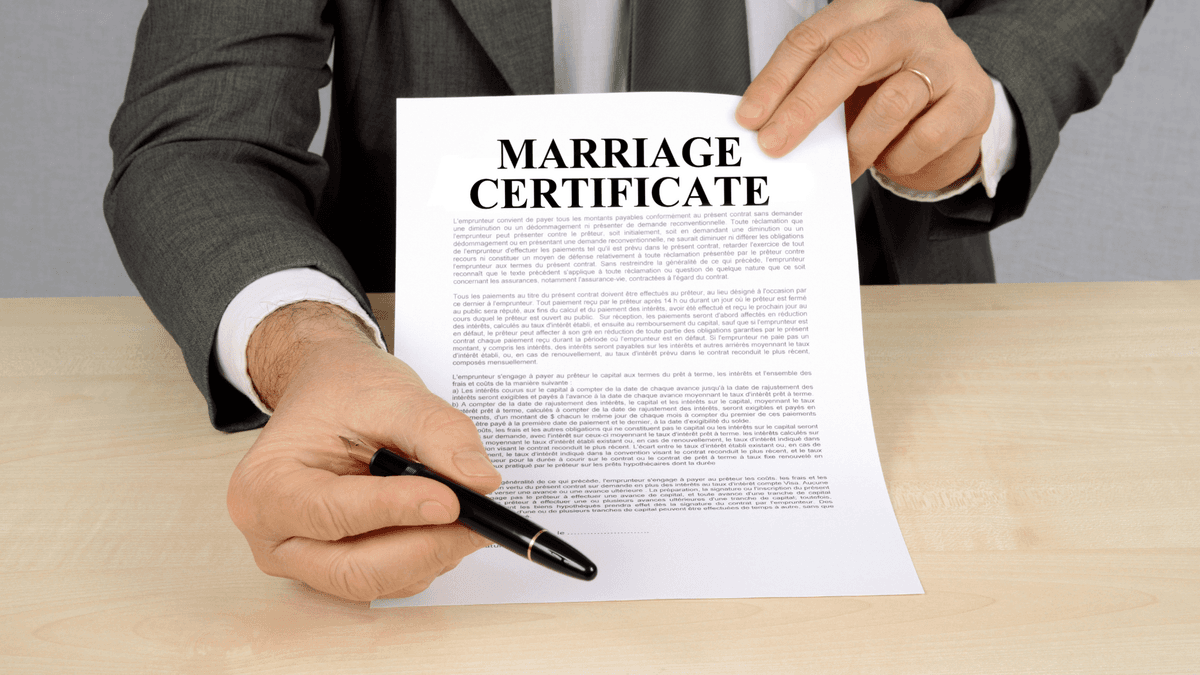
Examples of supporting evidence may include a marriage certificate, official name-change document, affidavit, old passport or other relevant record.
The applicant should submit such documents only when requested or when they are required by the applicable checklist.
8. Is Police Verification Required for an Indian PCC Applied for Abroad?
Police verification is an important part of the Indian PCC process, but it is not necessarily identical in every application.
The Passport Seva system and the Indian Mission may refer applications for verification where required.
The need for verification depends on the applicant's records, passport history, address information and the applicable rules.
Why might police verification be required?
Authorities may need to confirm:
- The applicant's identity.
- The applicant's Indian residential address.
- Relevant police records.
- Previous passport information.
- Other information connected with the application.
Does the applicant need to return to India for police verification?
Not necessarily.
An Indian citizen applying through an overseas Mission does not automatically need to travel to India simply because police verification may be required.
The verification process is handled through the relevant Indian authorities. However, the applicant may need to respond to a request for information, provide additional documents or follow instructions issued by the Mission or police authority.
What if the police cannot verify the Indian address?
An incorrect or outdated address can create complications.
If the applicant has moved from the address recorded in the passport or previous application, they should provide accurate details and supporting information where requested.
Do not provide misleading address information to avoid verification.
9. Can You Apply for an Indian PCC Without Visiting the Embassy?
This depends on the Indian Mission's service arrangements.
Some Missions use outsourced consular service centres, while others require appointments or direct submission.
A few may permit certain applications to be submitted through postal or courier services, subject to specific conditions.
Therefore, applicants should not assume that every Indian PCC application can be completed entirely online.
Even where the application form is submitted electronically, an in-person appointment may still be necessary for original-document checks, identity confirmation or other formalities.
Before making travel or courier arrangements, check:
- Whether personal attendance is mandatory.
- Whether an appointment is required.
- Whether an authorized service centre accepts PCC applications.
- Whether postal submission is permitted.
- Whether original passports must be presented.
- How the completed certificate will be delivered.
10. How Much Does an Indian PCC Cost When Applying from Abroad?
The cost of an Indian PCC application overseas depends on the Indian Mission, the country of residence and the service channel.
The total amount may include:
- Consular fee.
- Application or service fee, where applicable.
- Outsourced service-provider charge.
- Courier or return-delivery charge, if applicable.
- Other permitted administrative charges.
There is no single overseas PCC fee that applies to every country and Mission.
The amount may be payable in the local currency of the country where the application is submitted.
How to check the correct PCC fee
Visit the official website of the Indian Embassy, High Commission or Consulate responsible for your residential address.
Open the passport or PCC services section and check the current fee schedule.
If an authorized service provider handles the application, review its published charges separately from the government fee.
Always retain the payment receipt.
Avoid paying an intermediary who cannot explain which portion of the payment is an official fee and which portion is a private service charge.
11. How Long Does an Indian PCC Take When Applying Abroad?
The processing time varies depending on the Indian Mission, application completeness and whether police verification is necessary.
A straightforward application may be processed differently from one requiring additional verification in India.
Factors that can affect the timeline include:
- Whether the application is complete.
- Whether the passport details match official records.
- Whether the Indian address requires verification.
- Whether the application is referred to a police authority.
- Whether additional documents are requested.
- The workload of the relevant Mission or service provider.
- Postal or courier arrangements.
Applicants should check the processing guidance published by their Indian Mission.
Do not assume that a processing estimate from one country applies to another.
How can you avoid unnecessary delays?
- Use the correct Mission.
- Complete the application accurately.
- Provide clear document copies.
- Use a valid email address and contact number.
- Submit the documents listed in the official checklist.
- Attend appointments on time.
- Respond promptly to clarification requests.
- Keep your application reference number.
If you have an immigration deadline, apply early enough to allow for verification and any additional document requirements.
12. Can You Apply for an Indian PCC If Your Passport Has Expired?
An expired passport can affect the application process because the passport is an important identity and citizenship document.
Whether the applicant can submit a PCC application directly or must first renew the passport depends on the circumstances and the Mission's instructions.
Applicants should check the following:
- Whether the expired passport can be used for the specific PCC application.
- Whether a new passport application is required first.
- Whether the applicant's identity can be established using the available records.
- Whether additional documents are needed.
If the passport has been lost, damaged or replaced, the applicant should explain the circumstances to the Mission and follow its instructions.
Do not assume that a passport renewal is always mandatory or that an expired passport will always be accepted. Obtain confirmation from the responsible Mission.
13. Can You Apply for a PCC If You Have Changed Your Name?
Yes, a name change does not automatically prevent an Indian citizen from applying for a PCC.
However, the applicant must be able to establish that the current passport identity and previous records relate to the same person.
A name change may occur because of:
- Marriage.
- Divorce.
- A formal legal name change.
- Correction of an earlier passport entry.
- Other personal circumstances.
The Mission may request supporting evidence such as a marriage certificate, official name-change document, affidavit or other prescribed record.
The applicant should use the name shown in the current passport unless the application instructions specifically require additional historical information.
If previous records contain a different name, disclose the difference where requested.
14. Can You Apply for an Indian PCC If You Have Lived in Multiple Countries?
Yes. An Indian citizen who has lived in several countries can generally apply for an Indian PCC if an Indian certificate is required.
However, the applicant should understand that an Indian PCC does not replace police certificates from other countries.
For example, an Indian citizen may have lived in:
- India.
- The United Arab Emirates.
- Singapore.
- The United Kingdom.
If the immigration authority requests police certificates from all countries where the applicant has lived for a specified period, the applicant may need to obtain separate certificates from each relevant jurisdiction.
The issuing authority in each country determines its own process.
Does an Indian PCC cover criminal records in other countries?
No. An Indian PCC relates to the records covered by the competent Indian authorities.
It does not certify the applicant's police record in the UAE, Singapore, the United Kingdom or any other country.
Always follow the receiving authority's country-by-country police certificate instructions.
15. Indian PCC for Permanent Residency Applications
Permanent residency programmes often require police certificates as part of the applicant's background assessment.
An Indian citizen living overseas may be asked to provide an Indian PCC because they previously lived in India.
The precise requirement depends on the destination country and immigration programme.
What should you check before applying?
Confirm:
- Whether the authority requires an Indian PCC.
- Whether the certificate must be issued after a particular date.
- Whether it must cover a specific period.
- Whether a digital certificate is accepted.
- Whether a physical original is required.
- Whether translation or authentication is necessary.
- Whether the certificate must be submitted directly or uploaded.
A certificate issued for one immigration application may not automatically meet the requirements of a later application.
16. Indian PCC for Overseas Employment
Employers in some countries require police clearance documents before issuing an employment contract or completing a work permit application.
An Indian citizen living abroad may need an Indian PCC when:
- Moving to a new country for work.
- Joining a regulated profession.
- Applying for a long-term work permit.
- Completing an employer's background check.
- Applying for a professional licence.
The employer should clarify which country's police certificate is required.
An Indian PCC may be requested alongside a police certificate from the applicant's current country of residence or previous countries of employment.
Do not assume that one certificate satisfies every employer or immigration requirement.
17. Does an Indian PCC Need Attestation or Apostille?
Obtaining an Indian PCC and preparing it for use overseas are separate processes.
The Indian authority issues the certificate. The receiving country or organization determines whether it needs further authentication.
Depending on the destination and purpose, the certificate may be accepted in its original form or may require:
- Authentication by the relevant Indian authority.
- Apostille by the Ministry of External Affairs (MEA), where applicable.
- Embassy or consular legalization.
- Certified translation.
- A specific electronic verification process.
What is apostille?
An apostille is a form of authentication used under the Hague Apostille Convention for eligible public documents.
It confirms the origin of the public document through authentication of the relevant signature, capacity and seal or stamp.
An apostille does not verify the factual accuracy of every statement in a document, guarantee immigration approval or certify that an applicant has no criminal history worldwide.
Does every Indian PCC require apostille?
No. The requirement depends on the destination country's applicable arrangements and the receiving authority's instructions.
Where apostille is applicable, the Indian document must follow the appropriate authentication process.
Where the destination requires embassy legalization instead, the applicant should follow that route.
Can an Indian PCC be attested while the applicant is abroad?
The applicant's physical location does not automatically determine whether the certificate can be authenticated.
The process depends on the document format, the authentication service available, the destination country and the relevant authority's requirements.
Applicants should confirm whether the receiving authority accepts the original electronic PCC, a printed version or a particular authenticated format before arranging additional services.
18. Common Reasons for Delays or Problems in Overseas PCC Applications
Applicants living abroad may encounter avoidable problems when preparing their applications.
18.1 Applying through the wrong Indian Mission
An application submitted to a Mission outside the applicant's consular jurisdiction may not be accepted through that service channel.
Always verify jurisdiction first.
18.2 Providing an incorrect overseas address
The current residential address may be used to establish the applicant's consular jurisdiction.
Use accurate information and provide the supporting evidence requested by the Mission.
18.3 Differences in passport details
Differences between an old passport and a current passport may require clarification.
Provide the relevant passport history where requested.
18.4 Missing supporting documents
An application may be delayed if required proof of residence, passport copies or photographs are missing.
Use the latest country-specific checklist rather than relying on an old list.
18.5 Not completing police verification
If the authorities request additional information or verification, failure to respond may delay the application.
Monitor official communications and respond within the specified period.
18.6 Incorrect fee payment
Fees can vary by country and service provider.
Check the correct payment instructions before transferring money.
18.7 Assuming all applications are fully online
An online form does not necessarily remove the need for an appointment or original-document submission.
Read the Mission's complete procedure before beginning.
19. What Should You Do If Your Indian PCC Application Is Delayed?
If your application is taking longer than the processing estimate provided by the Mission, begin by checking its current status through the official tracking method.
Then:
- Locate your application reference number.
- Review the latest status.
- Check your email for requests for additional information.
- Confirm that the application was submitted to the correct Mission.
- Check whether police verification is pending.
- Contact the official Mission or service provider if clarification is needed.
When contacting the Mission, provide concise information, including the application reference, submission date and applicant details.
Avoid submitting multiple applications for the same certificate unless the authorities instruct you to do so.
If an immigration deadline is approaching, inform the requesting authority that the PCC application is in progress and ask whether proof of application or an extension is acceptable. Do not assume that an extension will automatically be granted.
20. How to Choose a Reliable PCC Assistance Provider
Some Indian citizens abroad prefer professional assistance because they may be unfamiliar with Indian consular procedures, document requirements or attestation arrangements.
A service provider may help with:
- Understanding the application requirements.
- Checking the document checklist.
- Reviewing application information.
- Coordinating document submission where permitted.
- Explaining attestation and legalization requirements.
- Arranging related document services.
However, a private provider cannot independently issue an Indian Police Clearance Certificate. The certificate must come from the competent Indian authority.
Before engaging a provider, check:
- Whether the provider explains the official application route.
- Whether it distinguishes government fees from service charges.
- Whether it gives a clear list of required documents.
- Whether it protects personal and passport information.
- Whether it provides payment receipts.
- Whether it avoids guaranteeing government approval.
- Whether it explains the limits of its service.
Avoid providers who claim they can bypass police verification, guarantee a clear certificate or issue a government PCC without the required official process.
21. Practical Document Checklist for Indians Applying for PCC Abroad
The following checklist can help applicants organize their documents before approaching the relevant Indian Mission.
Personal information
- Current full name as shown in the Indian passport.
- Date and place of birth.
- Indian passport number.
- Passport issue and expiry dates.
- Previous passport information, if applicable.
- Contact number.
- Email address.
Overseas residence information
- Current overseas residential address.
- Proof of address, as required.
- Valid residence permit or visa, where requested.
- Evidence of consular jurisdiction.
Application documents
- Completed PCC application form.
- Passport copy.
- Recent photograph, if required.
- Supporting documents specified by the Mission.
- Additional declarations, where applicable.
- Appointment confirmation, if required.
Payment and submission
- Current fee information checked.
- Payment completed through the approved channel.
- Payment receipt retained.
- Application reference number saved.
- Original documents prepared for inspection, if required.
After receiving the PCC
- Name and personal details checked.
- Certificate is complete and readable.
- Issuing authority details checked.
- Receiving authority's format requirements confirmed.
- Translation arranged, if required.
- Apostille or legalization arranged, if required.
- Submission deadline noted.
Frequently Asked Questions About Applying for an Indian PCC from Abroad
1. Can I apply for an Indian PCC while living outside India?
Yes. Eligible Indian citizens can generally apply through the Indian Embassy, High Commission or Consulate responsible for their overseas residential address.
2. Can an NRI apply for an Indian PCC?
Yes. An NRI who remains an Indian citizen and holds an Indian passport can generally apply through the relevant Indian Mission.
3. Can I apply for an Indian PCC from the USA?
Yes. Eligible Indian citizens residing in the USA can apply through the Indian Consulate or Embassy with jurisdiction over their residential address. The application procedure depends on the relevant Mission's service arrangements.
4. Can I apply for an Indian PCC from the UK?
Yes. Indian citizens living in the UK can generally apply through the relevant Indian Mission, following its PCC application and document submission instructions.
5. Can I apply for an Indian PCC from Canada?
Yes. Eligible Indian citizens living in Canada can apply through the Indian High Commission or Consulate responsible for their location.
6. Can I apply for an Indian PCC from the UAE?
Yes. Eligible Indian citizens residing in the UAE can approach the Indian Embassy or Consulate responsible for their location and follow its PCC procedure.
7. Do I need to travel to India to get a PCC?
Not necessarily. Eligible Indian citizens living abroad can generally apply through the relevant Indian Mission. The need for police verification does not automatically mean that the applicant must travel to India.
8. Can I apply for an Indian PCC online from abroad?
The application may begin through an online Passport Seva or Mission-related process. However, the applicant may still need to attend an appointment, submit original documents or use an authorized service provider.
9. Which Embassy should I apply through?
Apply through the Indian Mission or Post responsible for your current overseas residential address. Check the official jurisdiction information before submitting your application.
10. What documents are required for an Indian PCC from abroad?
Commonly requested documents include an Indian passport, completed application form, proof of overseas address, photograph where required and supporting documents specified by the relevant Mission.
11. Is proof of overseas residence mandatory?
The Mission may request proof of residence to establish jurisdiction and verify the applicant's current address. Check the country-specific checklist.
12. Can I apply for a PCC if I have permanent residency in another country?
Yes, if you remain an Indian citizen and meet the applicable requirements. Foreign permanent residency is not the same as acquiring foreign citizenship.
13. Can an OCI cardholder apply for an Indian PCC?
An OCI cardholder is not an Indian citizen merely by holding an OCI card. They should contact the Indian Mission to determine the appropriate procedure for obtaining any required police clearance document relating to previous residence in India.
14. Can a person who has acquired foreign citizenship apply for an Indian PCC?
A person who has acquired foreign citizenship cannot apply as an Indian passport holder. They should ask the relevant Indian Mission about the appropriate process for obtaining a police clearance document relating to their previous residence in India.
15. Is police verification required for an Indian PCC from abroad?
Police verification may be required depending on the applicant's records and the circumstances of the application. The competent Indian authorities determine whether further verification is necessary.
16. Will I need to return to India for police verification?
Not automatically. The verification process is handled through the relevant Indian authorities. The applicant should follow any instructions issued by the Mission or police authority.
17. Can I apply if my Indian passport has expired?
The procedure depends on the applicant's circumstances and the Mission's rules. Contact the relevant Mission to confirm whether passport renewal or additional identity documents are required.
18. Can I apply if I have lost my Indian passport?
You should inform the Indian Mission and follow its instructions. A lost passport may require a separate passport-related procedure before or alongside the PCC application.
19. How much does an Indian PCC cost abroad?
The fee depends on the Indian Mission, country of residence and service arrangements. Check the latest fee schedule published by the relevant Mission.
20. How long does an Indian PCC take when applying abroad?
Processing time varies according to the Mission, completeness of the application and whether police verification is required. Use the official processing guidance for your location.
21. Can I get an Indian PCC for Canada permanent residency?
Yes, eligible Indian citizens can apply for an Indian PCC when it is required for their Canadian immigration application. Follow the current Canadian police certificate instructions.
22. Can I use an Indian PCC for overseas employment?
Yes, where the employer or relevant authority accepts or requires an Indian police certificate. Additional certificates from other countries may also be required.
23. Does an Indian PCC cover my overseas criminal record?
No. An Indian PCC relates to records covered by the competent Indian authorities. It does not replace police certificates from other countries.
24. Does an Indian PCC need apostille?
Not in every case. Apostille is required only where the applicable destination-country arrangements and receiving authority's rules call for it.
25. Can I get an Indian PCC attested while living abroad?
The applicant's location does not automatically prevent authentication. The correct route depends on the document format, destination country and available official services. Confirm the process before arranging attestation.
26. What should I do if my name differs between my passport and other documents?
Provide the supporting evidence requested by the Mission, such as a marriage certificate or official name-change document. Do not conceal differences in personal information.
27. Can I apply for an Indian PCC if I have lived in several Indian cities?
Yes. Provide accurate address history wherever the application requests it. Additional verification may be required depending on the circumstances.
28. Can I apply for an Indian PCC if I have lived in multiple countries?
Yes. An Indian PCC may be obtained for the Indian part of your residence history. Separate certificates may be required from other countries.
29. Can a family member apply on my behalf?
This depends on the Indian Mission's rules and the specific application. Some services may require the applicant's personal attendance. Confirm whether representative submission is permitted before authorizing anyone.
30. What should I do if the PCC contains an error?
Contact the issuing Mission or competent authority and follow its correction procedure. Do not edit or alter the certificate yourself.
Applying for an Indian Police Clearance Certificate while living outside India is possible for eligible Indian citizens. The Indian Embassy, High Commission or Consulate responsible for the applicant's overseas residential address generally provides the appropriate consular application route.
The process involves identifying the correct Mission, checking the country-specific PCC requirements, completing the application, preparing passport and residence documents, paying the applicable fee and completing any required verification.
Applicants should not assume that every Indian Mission follows the same procedure. Appointment arrangements, document checklists, fees, processing times and certificate delivery methods can differ between countries.
It is equally important to distinguish an Indian PCC from a police certificate issued by the applicant's current country of residence. An Indian PCC relates to the applicant's clearance status in India and does not automatically replace certificates required from other countries.
Once the certificate is issued, check its details and confirm whether the receiving authority requires further authentication, apostille, legalization or translation.
The best way to avoid delays is to use the official Indian Mission serving your residential area, follow its latest instructions and prepare accurate supporting documents before submitting the application.
With the correct information and preparation, Indian citizens living abroad can complete the PCC application process more confidently and meet the document requirements of their overseas employment, immigration or other official applications.

- All
- Apostille
- Attestation
- Australia Apostille
- Austria Apostille
- Bahrain Attestation
- China Attestation
- Egypt Attestation
- Embassy
- France Apostille
- Germany Apostille
- HRD
- Italy Apostille
- Kuwait Attestation
- Lithuania Apostille
- MEA
- Malaysia Attestation
- Mexico Apostille
- Netherlands Apostille
- Nigeria Attestation
- Oman Apostille
- PCC
- Philippines Attestation
- Qatar Attestation
- Saudi Arabia Attestation
- Taiwan Attestation
- Translation
- UAE Attestation
- UK Apostille
- USA Apostille
- Vietnam Attestation
- Visa
- Visa Stamping